
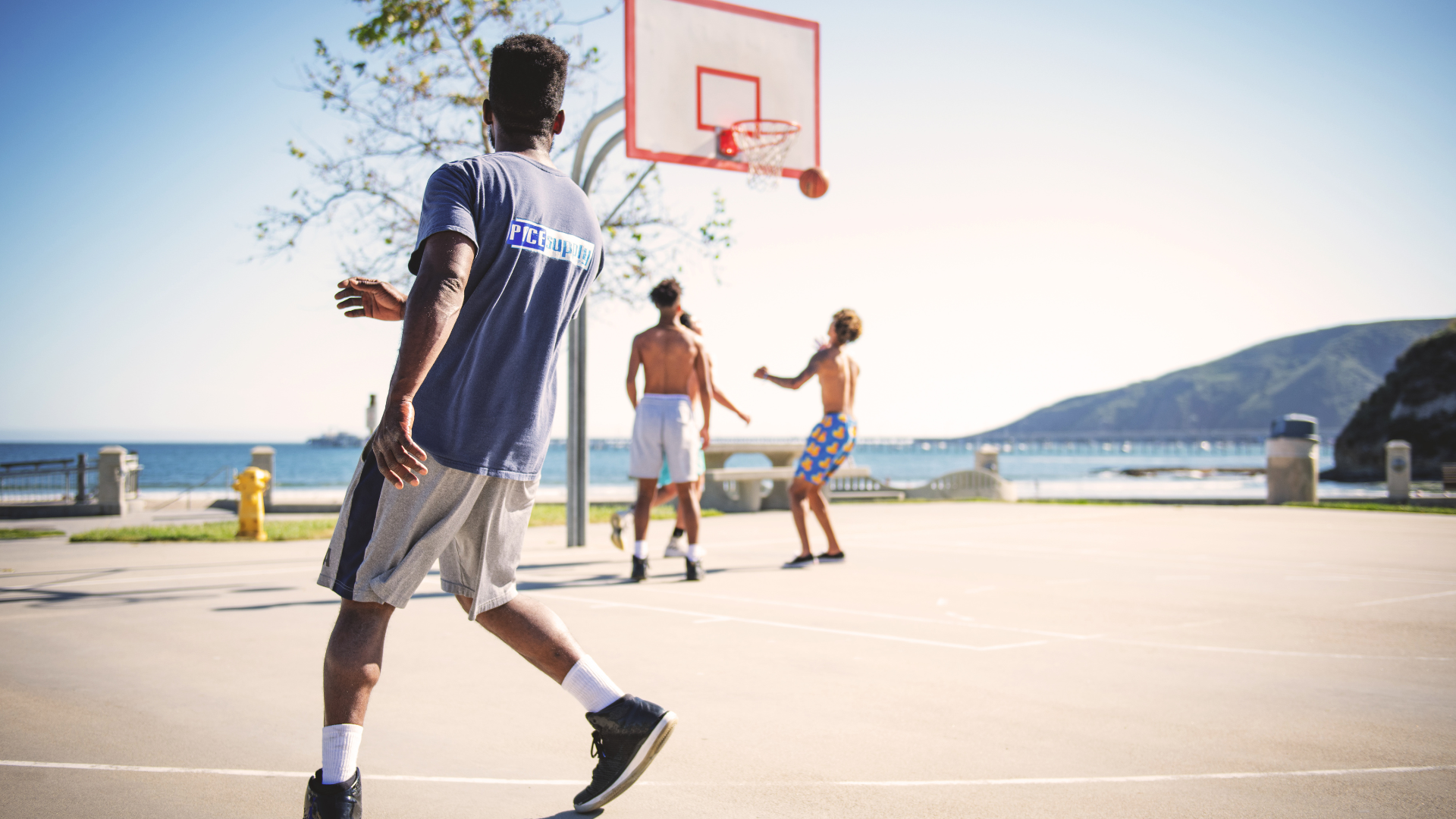
Physical challenge games for adults have evolved from simple recreational activities into sophisticated tools for team building, fitness enhancement, and social engagement.
These dynamic experiences combine competitive elements with physical exertion, creating memorable interactions that strengthen relationships while improving health outcomes.
Whether organizing corporate team-building events, fitness bootcamps, social gatherings,
or competitive tournaments, understanding the full spectrum of physical challenge options enables event planners,
fitness professionals, and group organizers to design experiences that resonate with diverse adult populations while achieving specific wellness and engagement objectives.
Understanding Physical Challenge Games: Definition and Modern Applications
Physical challenge games represent structured activities requiring participants to engage in physical exertion, coordination, strategy, and often teamwork to accomplish specific objectives within defined parameters.
Modern Applications Across Sectors:
- Corporate team building and interdepartmental collaboration
- Fitness program enhancement and client retention improvement
- Social recreation for mixed-ability groups
- Military and first responder training simulations
- Community wellness initiatives and public health programs
Key Psychological Benefits:
- Autonomy through voluntary participation choices
- Competence development through progressive skill building
- Social connection through shared experiences
- Intrinsic motivation beyond external rewards
- Stress reduction and mental health improvement
Also Read;
54 Couple Bedroom Challenge Card Game Complete Guide
Classic Outdoor Physical Challenge Games
1. Capture the Flag: Strategic Territory Control
This territorial competition game combines physical speed, strategic thinking, and teamwork as players attempt to capture opposing team flags while defending their own territory from infiltration.
Game Setup Requirements:
- Large outdoor space (minimum 100×50 yards)
- Two flags or markers for team bases
- Clear boundary demarcation
- 8-15 players per team for optimal gameplay
Advanced Variations:
- Nighttime Glow Flag: Use illuminated flags for stealth-based evening play
- Multi-Flag Version: Defend three flags simultaneously across wider territory
- Power Zones: Time-limited areas granting temporary advantages
- Water-Based Edition: Play in shallow lakes adding swimming elements
Safety Protocols:
- Define acceptable physical contact limits
- Assign referees for dispute resolution
- Set 20-40 minute round durations
- Establish medical support for large groups
2. Obstacle Course Racing: Functional Fitness Competition
Design comprehensive obstacle courses incorporating climbing, crawling, balancing, and strength challenges that test functional movement patterns translating to real-world physical capabilities and athletic performance.
Essential Obstacle Types:
| Obstacle Category | Examples | Primary Skills Tested |
|---|---|---|
| Climbing | Walls, ropes, cargo nets | Upper body strength, grip |
| Crawling | Tunnels, under-bars | Core stability, flexibility |
| Balance | Beams, platforms | Coordination, focus |
| Strength | Sandbag carries, sled push | Power, endurance |
| Agility | Tire runs, cone weaves | Speed, coordination |
Implementation Best Practices:
- Provide progressive difficulty options for varied fitness levels
- Include bypass alternatives without eliminating participation value
- Use proper ground surfacing beneath elevated obstacles
- Place hydration stations every 100 meters
- Have medical personnel present for groups over 30 participants
Competition Formats:
- Individual time trials for fitness-focused groups
- Team relay races emphasizing problem-solving
- Scored challenges combining speed and technique
- Elimination rounds for tournament structures
3. Tug of War: Pure Strength and Strategy
This classic strength competition transforms into complex strategy when proper technique and synchronized team coordination replace brute force, creating compelling contests testing collective power and tactical positioning.
Official Equipment Standards:
- Manila rope (minimum 38mm diameter)
- Marked center point and pulling zones
- Non-slip surface for secure footing
- Team weight class specifications
Winning Strategy Elements:
- Anchor Position: Heaviest participants at rear
- Synchronized Pulling: Coordinated motion timing
- Low Stance: Center of gravity optimization
- Grip Rotation: Preventing hand fatigue
- Rhythm Calling: Verbal coordination cues
Tournament Structures:
- Best-of-three pulls with 2-minute rest intervals
- Weight-matched teams (within 10% total body weight)
- Single elimination for large groups
- Round-robin for maximum participation time
4. Ultimate Frisbee: Fast-Paced Team Disc Sport
This non-contact field sport combines throwing, catching, running, and strategic positioning as teams advance disc downfield through passing sequences toward opponent end zones for scoring opportunities.
Field Specifications:
- 70 yards long x 40 yards wide
- 25-yard end zones at each terminus
- Cone markers defining boundaries
- Standard 175-gram regulation disc
Core Rules:
- No running with disc (pivot only)
- Turnover occurs on incomplete passes or interceptions
- Defensive coverage without physical contact
- Self-officiated through “spirit of the game” principles
- First team to 15 points wins (typically)
Skills Development:
- Forehand and backhand throwing techniques
- Cutting patterns and timing runs
- Defensive positioning and marking
- Game awareness and field vision
5. Spikeball (Roundnet): 360-Degree Competitive Play
This dynamic game involves two teams bouncing ball off circular net placed at ground level, creating fast-paced rallies requiring quick reflexes, communication, and strategic shot placement around complete circumference.
Equipment Needs:
- Official Spikeball roundnet system
- Regulation yellow balls (included)
- Flat playing surface (15-foot diameter clear space)
- Portable carrying case for transport
Gameplay Basics:
- Teams alternate hits (maximum 3 touches per possession)
- Ball must bounce off net within rim boundaries
- No restriction on player movement around net
- Rally continues until fault occurs
- First team reaching 21 points wins
Popular Variations:
- Tournament-level competitive play with rankings
- Freestyle trick shot competitions
- 1v1 solo challenge format
- Beach version with sand surface adjustments
6. Cornhole Tournament: Precision Tossing Competition
This accessible tossing game challenges players to throw bean bags onto raised platforms with target holes, combining accuracy, distance estimation, and competitive scoring through structured tournament formats.
Official Tournament Standards:
- Boards positioned 27 feet apart (front edge to front edge)
- 2×4 foot board dimensions with 6-inch hole
- 16-ounce bags filled with corn or synthetic pellets
- Slight board incline (3-4 inches rear elevation)
Scoring System:
- Hole-in: 3 points per bag
- On Board: 1 point per bag
- Cancellation Scoring: Subtract opponent’s points
- Games to 21 points exactly (or return to 15 if exceeded)
Tournament Formats:
- Double elimination brackets
- Round-robin pool play
- Partner doubles competitions
- Singles championship ladders
7. Kickball League: Nostalgic Team Competition
Adult kickball resurrects playground memories while adding competitive structure, strategic gameplay, and social elements creating popular recreational leagues combining athletic activity with community building and networking opportunities.
Modified Adult Rules:
- Standard baseball diamond dimensions (60-foot basepaths)
- 10-inch inflatable rubber kickball
- 8-10 players per team fielding simultaneously
- 5-7 inning games or 60-minute time limits
League Structure Elements:
- 8-12 week regular seasons
- Weekly game schedules at designated fields
- Playoffs culminating in championship games
- Post-game social gatherings at local venues
Skill Development Focus:
- Kicking technique for power and accuracy
- Base running strategy and timing
- Defensive positioning and communication
- Pitching consistency and speed control
8. Flag Football: Non-Contact Gridiron Action
This modified football version replaces tackling with flag pulling, maintaining strategic complexity and athletic demands while dramatically reducing injury risks appealing to recreational adult players and corporate leagues.
Equipment Requirements:
- Flag belts with two detachable flags per player
- Regulation football appropriate for skill level
- Cones marking field boundaries and end zones
- Colored pinnies distinguishing team identification
Common Rule Modifications:
- 7-on-7 or 8-on-8 player formats
- 50-60 yard field dimensions
- No blocking or physical contact
- Quarterback must wait 2 seconds before rushing allowed
- First downs every 20 yards
Position Specializations:
- Quarterback: Passing accuracy and field vision
- Receivers: Route running and catching
- Rushers: Speed and flag-pulling technique
- Defenders: Coverage skills and anticipation
9. Kan Jam: Target Disc Throwing Game
Teams throw flying discs toward large cylinder targets attempting direct hits through slot openings or teammate deflections into container tops, creating engaging competition balancing individual skill with partnership coordination.
Game Components:
- Two large cylinder targets with slot openings
- Official flying disc
- 50-foot distance between targets
- Flat outdoor playing surface
Scoring Breakdown:
| Result | Points | Description |
|---|---|---|
| Dinger | Instant Win | Direct throw through slot |
| Bucket | 3 points | Assisted deflection into top |
| Deuce | 2 points | Direct hit on container |
| Dink | 1 point | Deflection hit |
Strategy Tips:
- Thrower aims for high-percentage hits vs. risky slot attempts
- Deflector positions for maximum redirection opportunities
- Wind adjustment for outdoor playing conditions
- Defensive positioning blocking opponent deflections
10. Disc Golf: Walking Target Sport
Navigate outdoor courses throwing specialized discs toward elevated baskets, combining walking exercise with technical throwing skills and strategic course management similar to traditional golf but accessible and affordable.
Course Components:
- 9 or 18 hole layouts through varied terrain
- Metal basket targets (elevated chain catchers)
- Designated tee pads for each hole
- Par ratings based on expected throws
Disc Types:
- Drivers: Long-distance initial throws
- Mid-Range: Controlled approach shots
- Putters: Short accuracy throws near basket
Playing Format:
- Count each throw toward par completion
- Out-of-bounds penalties add stroke
- Lowest total score wins round
- Casual recreation or tournament competition available
Indoor Physical Challenge Games
11. Laser Tag: Tactical Combat Simulation
Professional laser tag facilities offer sophisticated team competition combining cardiovascular exercise with strategic planning through multi-level arena designs, objective-based missions, and electronic scoring tracking individual and team performance.
Arena Features:
- Multi-level terrain with varied obstacles
- Dim lighting creating tactical atmosphere
- Strategic cover positions and hiding spots
- Interactive targets and mission objectives
Game Mode Options:
- Team elimination battles
- Territory control challenges
- VIP protection scenarios
- Capture and hold objectives
- Zombie survival modes
Competitive Elements:
- Real-time score tracking displays
- Individual accuracy and hit statistics
- Team coordination metrics
- Leadership communication challenges
- 15-20 minute high-intensity rounds
12. Dodgeball Tournaments: Reflexes and Team Coordination
Adult dodgeball leagues transform playground memories into sophisticated competitive sport through regulated rules, tournament structures, and strategic team play emphasizing reflexes, throwing accuracy, and coordinated offensive and defensive strategies.
Official Specifications:
- 60×30 foot court dimensions
- Six foam balls distributed at center
- Center attack line and rear safe zones
- Elimination through clean catches or direct hits below shoulders
Tournament Formats:
| Format | Description | Best For |
|---|---|---|
| Single Elimination | One loss exits | Quick tournaments |
| Double Elimination | Loss drops to consolation bracket | Fair competition |
| Round Robin | Everyone plays everyone | Maximum participation |
| Swiss System | Matches based on record | Skill-based pairing |
Advanced Rule Variations:
- Resurrection catches returning eliminated teammates
- Specialized balls with different properties (heavy, light, target)
- Time-limited power plays
- 3-minute rounds, best-of-five match structure
13. Indoor Rock Climbing: Vertical Problem Solving
Commercial climbing gyms provide controlled environments where adults engage in challenging physical activity emphasizing problem-solving over pure strength through color-coded routes, bouldering problems, and progressive difficulty scaling.
Climbing Disciplines:
- Bouldering: Short problems without ropes, crash pad protection
- Top-Rope: Anchored rope systems for higher walls
- Lead Climbing: Advanced rope clipping while ascending
- Auto-Belay: Independent climbing without partner dependency
Group Competition Ideas:
- Relay races completing designated route sequences
- Speed climbing time trials on standardized walls
- Creative challenges with movement restrictions
- Scoring rewarding attempted difficulty over completed climbs
Safety Requirements:
- Proper falling technique instruction
- Equipment inspection protocols
- Climbing etiquette briefings
- Adequate wall space for 20-40 participants
14. Parkour Challenges: Urban Movement Arts
Structured parkour training teaches efficient environmental movement through running, jumping, vaulting, and climbing techniques with professional instruction emphasizing progression, controlled landings, and injury prevention suitable for varied adult fitness levels.
Fundamental Movement Categories:
- Precision jumps measuring distance estimation
- Vault techniques flowing over obstacles
- Climb-ups developing pulling strength
- Wall runs gaining vertical height
- Cat leaps covering distance to hanging positions
Challenge Course Elements:
- Sequential obstacle combinations
- Time trials measuring completion speed
- Style judging evaluating movement efficiency
- Progressive difficulty options for all levels
Training Environments:
- Dedicated parkour gyms with foam pits
- Outdoor urban environments (with permissions)
- Padded obstacles for high-risk practice
- Structured classes with qualified instruction
15. Bowling Leagues: Social Competitive Rolling
Adult bowling leagues combine athletic skill development with social interaction through regular season play, team formations, handicap systems ensuring competitive balance, and consistent weekly participation building community connections and friendly rivalries.
League Structure:
- 12-15 week seasons with weekly games
- 3-5 person teams competing simultaneously
- Handicap systems balancing skill disparities
- Individual and team standings tracked
- Playoff tournaments concluding seasons
Skill Development Areas:
- Ball selection matching lane conditions
- Approach consistency and timing
- Spare conversion strategy
- Oil pattern reading and adjustment
Social Benefits:
- Consistent weekly social interaction
- Cross-generational participation accessibility
- Post-game gathering traditions
- Long-term friendship development
16. Indoor Soccer (Futsal): Fast-Paced Skill Development
Futsal adapts traditional soccer for smaller indoor courts emphasizing technical ball control, quick decision-making, and creative playmaking in confined spaces that accelerate skill development while providing intense cardiovascular workouts.
Futsal Specifications:
- 40×20 meter court (basketball court size)
- Low-bounce weighted ball encouraging ground play
- 5 players per team including goalkeeper
- 20-minute halves with running clock
Rule Differences from Outdoor Soccer:
- Kick-ins replace throw-ins at boundaries
- Accumulated fouls leading to direct free kicks
- No offside rule encouraging aggressive attacking
- Limited goalkeeper possession outside area
Benefits Over Traditional Soccer:
- Weather-independent year-round play
- Increased individual ball touches
- Faster game pace developing quick thinking
- Reduced injury risk on controlled surfaces
17. Racquetball Tournaments: High-Intensity Court Sport
This fast-paced racquet sport played in enclosed courts demands quick reflexes, strategic shot placement, and sustained cardiovascular effort as players strike ball off walls attempting to create unreturnable shots.
Court Layout:
- 40x20x20 foot enclosed playing space
- Front wall primary striking surface
- Side and back walls in play
- Service boxes and receiving lines marked
Scoring and Format:
- Rally scoring (every serve scores)
- Games to 15 points, match is best-of-three
- Server maintains advantage until side-out
- Singles or doubles competition formats
Shot Variety:
- Kill shots staying low and unreturnable
- Passing shots avoiding opponent’s position
- Ceiling shots creating defensive positioning
- Z-shots using corner angles
18. Basketball Leagues: Team Hoops Competition
Adult recreational basketball leagues provide structured competitive play accommodating various skill levels through division placement, refereed games, and playoff structures maintaining organized seasons while developing teamwork and individual basketball skills.
League Organization:
- Skill-based division placement (A, B, C levels)
- 8-12 team league sizes for regular competition
- Weekly scheduled games at consistent venues
- Official referees ensuring rule compliance
Common Format Modifications:
- Shortened game times (32-40 minutes total)
- Running clocks except final minutes
- Foul-out at 5 personal fouls
- Mercy rules for competitive balance
Participation Benefits:
- Consistent exercise routine structure
- Team camaraderie development
- Competitive outlet for former players
- Skill maintenance and improvement
19. Volleyball Leagues: Net-Based Team Sport
Indoor volleyball leagues create engaging team competition through structured season play requiring communication, coordination, and specialized position skills while providing excellent upper body and leg conditioning through jumping and dynamic movements.
Standard Playing Format:
- 6 players per side rotating positions
- Rally scoring to 25 points (win by 2)
- Best 3-of-5 set matches
- Regulation net heights (men 7’11⅝”, women 7’4⅛”)
Position Specializations:
| Position | Primary Responsibilities |
|---|---|
| Setter | Distributes ball for attacks |
| Outside Hitter | Primary offensive weapon |
| Middle Blocker | Defensive net presence |
| Libero | Specialized defensive player |
| Opposite | Right-side attacker |
Co-Ed League Considerations:
- Mandatory minimum female players on court
- Altered rotation ensuring gender distribution
- Net height compromises
- Inclusive competitive atmosphere
20. Trampoline Park Challenges: Aerial Athletics
Modern trampoline facilities feature interconnected jumping surfaces, foam pits, dodgeball courts, and basketball dunking areas creating unique athletic challenges combining aerial awareness, acrobatic skills, and competitive games in controlled safe environments.
Available Activities:
- Open jump areas for freestyle bouncing
- Foam pit launches practicing tricks safely
- Trampoline dodgeball on bouncing courts
- Slam dunk zones for aerial basketball
- Obstacle course combinations
Group Competition Options:
- Trampoline dodgeball tournaments
- Dunk contest competitions
- Trick performance battles
- Relay races across different zones
- Endurance challenges testing stamina
Safety Measures:
- Mandatory grip socks preventing slips
- Trained staff monitoring all areas
- Participant waiver requirements
- Age-appropriate zone separation
- Weight and height restrictions on certain features
Water-Based Physical Challenge Games
21. Water Polo: Strategic Aquatic Team Sport
Water polo combines swimming endurance with ball-handling skills and tactical team play as seven-player squads tread water continuously while passing, shooting, and defending in physically demanding aquatic competition.
Game Essentials:
- Pool minimum 7-foot depth throughout
- Floating goals at each end
- Regulation water polo ball
- Colored caps distinguishing teams
Recreational Modifications:
- Shorter quarter durations (6-8 minutes vs. 8 professional)
- Smaller pool dimensions
- Simplified officiating focused on safety
- Reduced physical contact intensity
Skills Required:
- Continuous treading water endurance
- One-handed ball handling and passing
- Eggbeater kick for vertical positioning
- Shooting accuracy under pressure
- Defensive positioning and awareness
22. Aqua Obstacle Courses: Floating Fitness Challenges
Inflatable obstacle installations at pools, lakes, or water parks create unique physical challenges combining balance, agility, and cardiovascular endurance while managing buoyancy challenges and water resistance throughout floating courses.
Common Obstacle Types:
- Climbing walls emerging from water
- Balance beam crossings between platforms
- Slide descents into pools
- Trampoline bouncing sections
- Crawl tubes and tunnels
Competition Formats:
| Format | Description | Participant Count |
|---|---|---|
| Time Trials | Individual fastest completion | Unlimited sequential |
| Team Relays | Pass baton between sections | 4-8 per team |
| Elimination Rounds | Slowest exits each round | 8-20 simultaneous |
| Endurance Challenges | Continuous repetitions | Individual or team |
Safety Requirements:
- Demonstrated swimming competency verification
- Lifeguard supervision per regional requirements
- Clearly marked deep water sections
- Age and weight restrictions posted
23. Underwater Hockey: Subaquatic Team Competition
This unique sport involves teams using small sticks pushing weighted pucks along pool bottoms toward opposing goals while wearing masks, snorkels, and fins, repeatedly diving to engage before surfacing for breath.
Equipment Specifications:
- Short hockey sticks (approximately 12 inches)
- Weighted puck (approximately 3 pounds)
- Masks, snorkels, and fins for all players
- Protective gloves and ear guards
- Goals at pool bottom at each end
Gameplay Mechanics:
- 6 players per team in water simultaneously
- Unlimited substitutions during play
- Two 15-minute halves with halftime break
- Breath-hold duration management critical
Training Considerations:
- Gradual breath-hold capacity development
- Buddy systems monitoring surface intervals
- Hand signal communication protocols
- Conservative duration preventing hypoxia risks
24. Pool Basketball: Aquatic Hoops Competition
Floating basketball hoops create unique shooting challenges where water resistance affects ball handling and shooting while treading water adds cardiovascular demand making this accessible game challenging for participants of varied skill levels.
Setup Requirements:
- Floating basketball goal system
- Waterproof inflatable or rubber ball
- Pool depth allowing standing or treading
- Boundary markers if competitive rules applied
Game Variations:
- H-O-R-S-E spelling game matching shots
- Timed shooting competitions from various distances
- Team games with simplified basketball rules
- Dunk contests in shallow areas
- Around-the-world shooting challenges
Benefits:
- Low-impact on joints compared to land basketball
- Full-body workout from treading water
- Cooling effect during hot weather
- Accessible for non-swimmers in shallow areas
25. Synchronized Swimming Challenges: Artistic Aquatic Performance
Team-based synchronized swimming challenges create unique collaborative experiences requiring coordination, breath control, and creative choreography as groups develop routines combining athletic skill with artistic presentation in aquatic environment.
Challenge Components:
- Choreographed routine development (2-4 minutes)
- Musical selection and timing coordination
- Formation changes and pattern swimming
- Synchronized movements and timing precision
Judging Criteria:
- Technical execution and synchronization
- Artistic impression and creativity
- Difficulty level of movements
- Team coordination quality
Beginner-Friendly Adaptations:
- Simplified movement vocabulary
- Shorter routine durations
- Elimination of complex lifts
- Focus on pattern swimming over technical elements
26. Water Volleyball: Pool Net Competition
Setting volleyball nets across pools creates engaging team competition where water resistance changes movement dynamics, jumping becomes strategic launching, and swimming ability factors into court coverage and defensive positioning.
Pool Setup:
- Net spanning pool width at appropriate depth
- Boundary markers defining court limits
- Standard volleyball or water-specific ball
- Depth allowing jumping or treading depending on skill level
Rule Modifications:
- Simplified rotation patterns
- Lenient net contact rules
- Extended rally scoring timelines
- Adaptive serving requirements
Skill Development:
- Water-based vertical jumping technique
- Modified setting and passing adjustments
- Swimming between positions
- Strategic depth usage
27. Kayak Races: Paddle-Powered Competition
Kayak racing competitions test paddling technique, endurance, and tactical course navigation through timed races, relay events, or obstacle courses requiring precise boat control and sustained upper body and core effort.
Race Format Options:
- Sprint Races: 200-500 meter straight courses
- Distance Events: 2-5 kilometer endurance tests
- Slalom Courses: Technical gate navigation
- Relay Races: Team sequential paddling
Equipment Categories:
- Recreational kayaks for beginner accessibility
- Racing kayaks for advanced competitions
- Sit-on-top designs for easy entry/exit
- Tandem kayaks for partner coordination
Safety Protocols:
- PFD (personal flotation device) requirements
- Swim test verification
- Rescue boat support
- Weather condition monitoring
28. Stand-Up Paddleboard Racing: Balance and Endurance
SUP racing combines balance challenges with upper body endurance as competitors paddle standing on large boards through designated courses testing technique, core stability, and sustained effort in unique aquatic athletic competition.
Course Designs:
- Straight distance races (1-3 miles typical)
- Buoy turn courses testing maneuverability
- Technical courses through obstacles
- Beach start/finish races
Board Classifications:
| Board Type | Length | Best For |
|---|---|---|
| All-Around | 10-12 feet | Beginners, versatility |
| Race | 12-14 feet | Speed, distance events |
| Touring | 11-14 feet | Long-distance stability |
| Inflatable | Various | Portability, durability |
Competition Divisions:
- Skill-based classes (beginner, intermediate, advanced)
- Age group categories
- Board type divisions
- Gender-specific or co-ed options
29. Water Aerobics Competitions: Aquatic Fitness Challenges
Transform traditional water aerobics into competitive team challenges through synchronized routine performances, endurance tests, or choreographed presentations combining cardiovascular conditioning with creative expression in supportive aquatic environment.
Challenge Categories:
- Synchronized team routine performances
- Endurance circuit completions
- Creative choreography competitions
- Aqua Zumba dance-offs
Benefits Over Land Exercise:
- Joint-friendly resistance training
- Temperature regulation during exercise
- Buoyancy reducing impact stress
- Resistance increasing calorie burn
Competition Scoring:
- Technical execution of movements
- Synchronization between team members
- Energy and enthusiasm display
- Creative presentation elements
30. Dragon Boat Racing: Team Paddle Sport
This ancient Chinese water sport features large decorated boats with 20-paddler crews plus drummer and steersperson, requiring perfect synchronization and sustained power output creating intense team bonding through challenging coordinated athletic performance.
Crew Composition:
- 20 paddlers in pairs
- 1 drummer setting rhythm at bow
- 1 steersperson at rear
- Synchronized stroke timing essential
Race Formats:
- 200-500 meter sprint distances
- Festival-style mass start races
- Time trial individual heats
- Multi-day tournament competitions
Team Development Benefits:
- Exceptional trust and coordination building
- Cross-hierarchical team mixing
- Clear performance feedback
- Cultural tradition participation
Strength and Power-Based Challenges
31. Strongman Competitions: Functional Strength Events
Strongman contests feature varied strength challenges including heavy object lifting, carrying, pulling, and throwing that test functional power and endurance through unique implements beyond traditional weightlifting competition emphasizing practical applicable strength.
Classic Events:
- Atlas Stones: Lift spherical stones onto platforms
- Farmer’s Walks: Carry heavy implements for distance
- Tire Flips: Flip massive tractor tires repeatedly
- Yoke Walks: Carry weighted yoke across shoulders
- Log Press: Overhead press irregular-shaped logs
Scaled Divisions:
- Weight classes ensuring fair competition
- Novice/Open/Masters age categories
- Implement weight variations by division
- Gender-specific competitive standards
Training Considerations:
- Progressive loading preventing injury
- Technique emphasis over maximum weight
- Event-specific practice requirements
- Recovery prioritization between contests
32. CrossFit-Style WODs: High-Intensity Functional Fitness
Workout of the Day (WOD) competitions feature constantly varied functional movements performed at high intensity, combining weightlifting, gymnastics, and cardiovascular elements testing comprehensive fitness across multiple domains simultaneously.
Common WOD Formats:
| Format | Description | Example |
|---|---|---|
| AMRAP | As Many Rounds As Possible | 20 min AMRAP: 5 pull-ups, 10 push-ups, 15 squats |
| For Time | Complete work fastest possible | 5 rounds: 400m run, 15 overhead press, 30 sit-ups |
| EMOM | Every Minute On the Minute | 10 min EMOM: 10 kettlebell swings |
| Chipper | Single round, many exercises | 100 pull-ups, 100 push-ups, 100 sit-ups, 100 squats |
Scaling Options:
- Movement modifications for accessibility
- Load adjustments matching capability
- Volume reductions maintaining intensity
- Skill progressions developing competency
Competition Organization:
- Individual leaderboards tracking performance
- Team WODs requiring coordination
- Multiple heats accommodating participants
- Clear judging standards ensuring fairness
33. Rope Climbing Races: Upper Body Power Challenge
Vertical rope climbing competitions test upper body pulling strength, grip endurance, and efficient technique as competitors race to touch ceiling markers or complete multiple ascent/descent cycles within time limits.
Competition Formats:
- Fastest single ascent time trials
- Most climbs completed within timeframe
- Team relay passing tags between climbers
- Technique competitions judging form quality
Safety Requirements:
- Crash mat padding below ropes
- Rope inspection protocols
- Height restrictions based on experience
- Spotter assistance for beginners
Training Progression:
- Leg-assisted techniques for beginners
- Legless rope climbs developing strength
- Explosive pull techniques increasing speed
- Endurance development through volume
34. Battle Rope Challenges: Explosive Power Endurance
High-intensity battle rope exercises create explosive upper body and core challenges through wave generation patterns, slams, and dynamic movements testing power endurance and mental toughness during sustained maximum-effort intervals.
Challenge Variations:
- Timed maximum wave generations
- Pattern replication competitions
- Endurance tests maintaining intensity
- Team alternating relay formats
Wave Patterns:
- Alternating waves (classic undulation)
- Double waves (simultaneous arm movement)
- Slams (overhead violent downward throws)
- Circles (rotational wave generation)
- Side-to-side waves (lateral motion)
Work:Rest Ratios:
- Beginners: 15 seconds work / 45 seconds rest
- Intermediate: 30 seconds work / 30 seconds rest
- Advanced: 45 seconds work / 15 seconds rest
- Elite: 60 seconds+ continuous efforts
35. Kettlebell Sport: Endurance Lifting Competition
Kettlebell sport (girevoy sport) involves lifting kettlebells for maximum repetitions within 10-minute sets, testing strength endurance, mental fortitude, and technical efficiency through disciplines of snatch, clean and jerk, and long cycle.
Competition Lifts:
- Snatch: Continuous one-arm overhead swings
- Jerk: Two-kettlebell overhead presses from rack
- Long Cycle: Combined clean and jerk repetitions
Weight Categories:
| Gender | Weight Classes | Common Weights |
|---|---|---|
| Men | 63kg, 70kg, 78kg, 85kg, 95kg, 95kg+ | 24kg, 28kg, 32kg bells |
| Women | 58kg, 63kg, 68kg, 68kg+ | 12kg, 16kg, 20kg, 24kg bells |
Scoring System:
- Each completed repetition = 1 point
- 10-minute continuous sets
- Form violations disqualify repetitions
- Combined totals determine rankings
36. Sandbag Training Competitions: Unstable Load Challenges
Sandbag challenges feature awkward, shifting loads requiring stabilization and grip strength through carrying, throwing, lifting, and shouldering events testing functional strength applicable to real-world physical demands.
Event Categories:
- Maximum distance carries for time
- Over-shoulder throwing for height/distance
- Ground-to-shoulder repetition contests
- Sandbag clean and press endurance
- Team passing relay races
Sandbag Types:
- Fillable bags with varying weight capacities
- Handles vs. no-handle designs
- Competition-specific shaped bags
- Adjustable weight systems
Benefits Over Fixed Loads:
- Enhanced stabilizer muscle activation
- Improved grip strength development
- Greater core engagement requirements
- Sport-specific training applications
37. Pull-Up and Dip Competitions: Bodyweight Strength Tests
Bodyweight strength competitions focusing on pull-ups, dips, and variations test relative strength, muscular endurance, and mental toughness through maximum repetition challenges or weighted difficulty progressions.
Competition Formats:
- Maximum unbroken repetitions
- Total repetitions within time limit (3-5 minutes)
- Weighted pull-up/dip maximum loads
- Strict form vs. kipping technique divisions
Variation Challenges:
- Different grip positions (wide, narrow, neutral)
- One-arm progression attempts
- Muscle-up conversions (advanced)
- Negative-only endurance tests
Judging Standards:
- Full range of motion requirements
- Chin clearing bar height for pull-ups
- Arms fully extended at bottom
- Chest touching bar at top for strict pull-ups
- Elbows locked at top of dips
38. Sled Push/Pull Challenges: Lower Body Power Events
Weighted sled pushing and pulling develops lower body strength, cardiovascular conditioning, and mental toughness through varied load and distance combinations creating versatile competition and training challenges.
Challenge Variations:
| Type | Description | Primary Focus |
|---|---|---|
| Heavy Sled Push | Maximum weight for set distance | Lower body strength |
| Sprint Pushes | Light weight, maximum speed | Power and speed |
| Distance Pulls | Moderate weight, longest distance | Endurance |
| Relay Races | Team alternating efforts | Team coordination |
Loading Progressions:
- Beginner: Bodyweight sled only
- Intermediate: 50-100% bodyweight added
- Advanced: 100-200% bodyweight loads
- Elite: 200%+ bodyweight maximum efforts
39. Tire Flipping: Explosive Full-Body Power
Flipping massive tractor tires combines explosive leg drive, upper body pulling, and total body coordination in challenging functional strength event testing power generation and mental determination through repetitive maximum efforts.
Competition Formats:
- Maximum distance tire flips within time limit
- Fastest completion of set flip count
- Head-to-head racing formats
- Team relay passing between flip sections
Tire Size Categories:
- Light: 200-400 pounds (beginner)
- Medium: 400-600 pounds (intermediate)
- Heavy: 600-800 pounds (advanced)
- Super Heavy: 800+ pounds (elite)
Technique Components:
- Proper stance and grip positioning
- Explosive leg drive initiation
- Hip hinge mechanics
- Overhead push-through completion
- Recovery and reset efficiency
40. Box Jump Competitions: Vertical Power Testing
Box jump challenges test explosive leg power, coordination, and confidence through progressive height attempts or maximum repetition contests within time constraints, developing athletic jumping ability and lower body explosiveness.
Challenge Types:
- Maximum height single jump attempts
- Most consecutive jumps within timeframe
- Step-down endurance challenges
- Depth jump reactive combinations
Safety Standards:
- Stable, secure box platforms
- Non-slip jumping surfaces
- Adequate landing space
- Progression from lower heights
- Step-down emphasis preventing achilles stress
Height Progressions:
- Beginner: 12-20 inches
- Intermediate: 20-30 inches
- Advanced: 30-40 inches
- Elite: 40+ inches
Team Strategy and Coordination Games
41. Human Foosball: Life-Size Table Game
Teams attached to horizontal poles recreate table foosball gameplay with human players, requiring communication, timing, and strategic positioning as participants rotate around fixed pivot points attempting to score goals.
Setup Requirements:
- Large rectangular playing area (30×50 feet)
- PVC pipes or ropes creating player rows
- Inflatable or foam ball for safety
- Goals at each end
Rules and Strategy:
- Players hold poles/ropes limiting movement
- Must pass ball between rows
- Coordination timing crucial for scoring
- Defensive positioning prevents goals
Team Composition:
- 5-7 players per team
- Goalkeeper, defenders, midfielders, forwards
- Rotation ensuring equal participation
- Strategy development between rounds
42. Bubble Soccer: Inflatable Bumper Football
Players encased in large inflatable bubbles play soccer while collision contact becomes entertaining and safe, creating hilarious competitive experience emphasizing fun over pure athletic ability while providing excellent cardiovascular workout.
Equipment Specifications:
- Inflatable zorb suits covering upper body
- Standard soccer ball
- Modified field dimensions
- Protective padding built into suits
Game Variations:
- Traditional soccer rules adapted
- Last-player-standing elimination
- Sumo-style collision contests
- Team capture the flag in bubbles
Safety Considerations:
- Age and weight restrictions
- Proper inflation verification
- Clear playing surface
- Medical screening for participants
43. Escape Room Physical Challenges: Mental and Physical Puzzles
Modern escape rooms incorporating physical challenge elements combine problem-solving with strength, agility, and endurance tasks creating comprehensive team experiences testing diverse capabilities beyond pure cognitive puzzles.
Physical Challenge Types:
- Strength-based lock releases
- Agility obstacle navigation
- Endurance timed challenges
- Coordination team tasks
Team Benefits:
- Leadership emergence identification
- Communication skill development
- Problem-solving under pressure
- Role specialization recognition
Implementation:
- 60-90 minute experiences
- 4-8 person team sizes
- Progressive difficulty scaling
- Success rates around 30-40%
44. Amazing Race Style Competitions: Multi-Challenge Adventures
Inspired by television formats, these events combine diverse physical challenges, mental puzzles, navigation tasks, and strategic decision-making across multiple locations creating comprehensive competitive adventures testing varied skills.
Challenge Station Types:
- Physical endurance tests
- Skill-based task completions
- Navigation waypoint finding
- Strategic choice intersections
- Team coordination requirements
Competition Structure:
- Multiple challenge stations (8-12 typical)
- Teams progress at own pace
- Checkpoints tracking advancement
- Time penalties for incomplete tasks
- Final destination determines winners
Organizational Requirements:
- Large venue or outdoor course
- Multiple staff monitoring stations
- Clear safety protocols
- Transportation between locations if needed
- 2-4 hour event duration typical
Conclusion
Physical challenge games for adults represent far more than recreational entertainment—they serve as powerful tools for building stronger communities, enhancing physical fitness, developing leadership skills, and creating memorable shared experiences that strengthen interpersonal bonds. The 44 game ideas presented span outdoor adventures, indoor competitions, aquatic challenges, strength tests, and strategic team activities, ensuring options suitable for every environment, fitness level, and group objective.
Successful implementation requires thoughtful consideration of participant capabilities, safety protocols, competitive balance, and engagement sustainability. Event organizers should assess group composition, available resources, time constraints, and desired outcomes before selecting appropriate challenges. Combining multiple game types throughout events maintains novelty and accommodates diverse skill sets within mixed-ability groups.
The growing popularity of adult physical challenge games reflects broader societal recognition that fitness and social connection need not exist separately. These activities address multiple wellness dimensions simultaneously—physical health through active participation, mental health through stress relief and achievement, and social health through collaborative experiences and community building.
Organizations investing in regular physical challenge programming report measurable improvements in team cohesion, employee satisfaction, retention rates, and overall wellness metrics. The relatively modest investment in equipment and organization yields substantial returns across engagement, health, and relationship-building domains that traditional meetings or passive entertainment cannot replicate.