
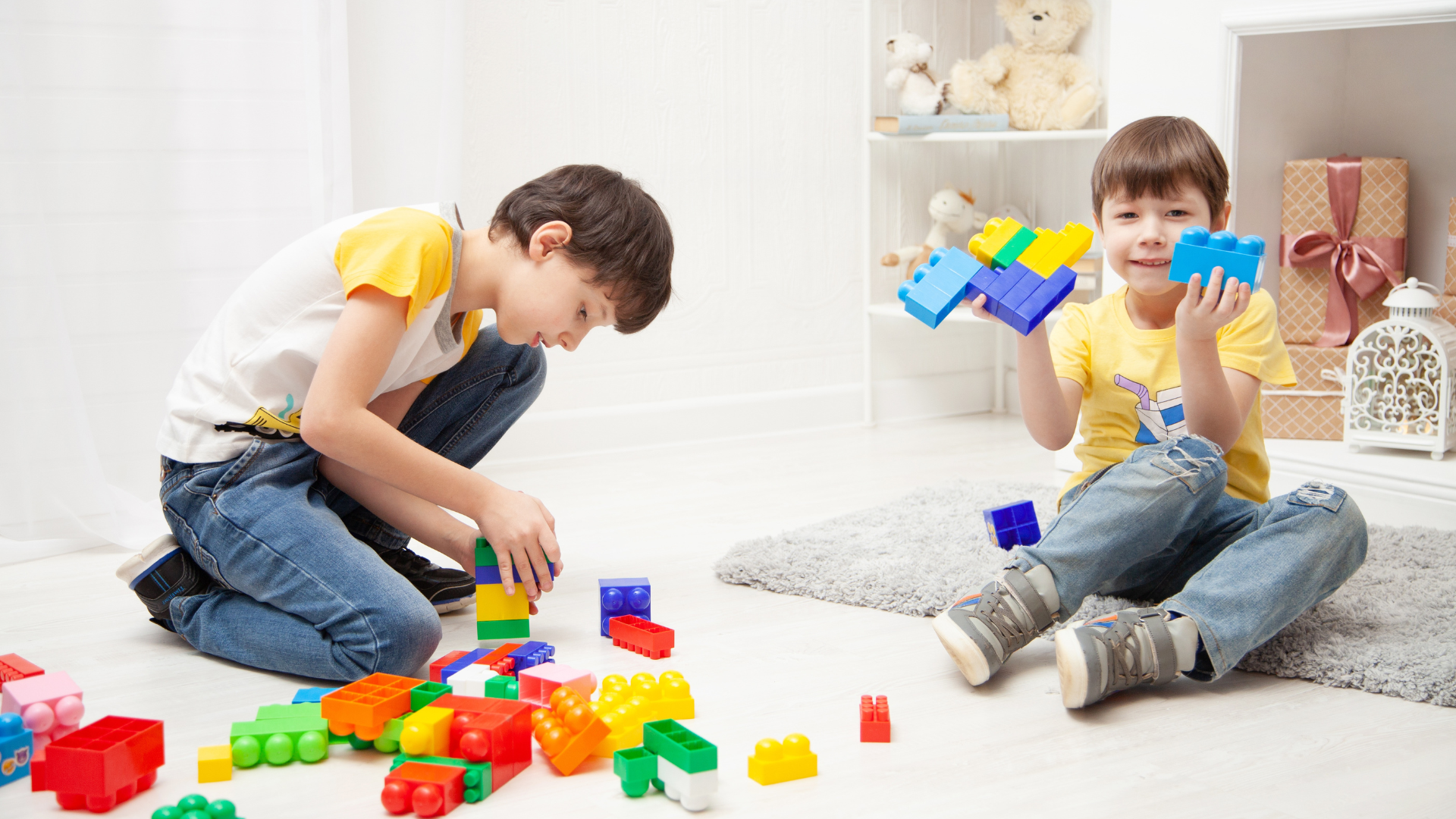
Children’s spaces deserve more than static decoration—they demand interactive environments that stimulate creativity while teaching fundamental design principles.
These 22 bedroom decoration games merge educational value with entertainment, transforming ordinary rooms into dynamic learning laboratories.
Whether you’re a parent seeking engagement strategies or an educator exploring spatial intelligence development,
these methodically structured activities deliver measurable results in aesthetic awareness, decision-making skills, and personal expression through thoughtfully designed play experiences.
Also Read ;
27 Ways to Be Physically Romantic to Your Boyfriend | Complete Intimacy Guide
44 New Things to Try With Your Partner: Expert Guide to Deeper Intimacy
43 Free Bedroom Games for Couples on Phone | No Download Required
1. Color Palette Challenge
This foundational game introduces children to color theory through hands-on experimentation with bedroom aesthetics.
Players select three primary colors and must incorporate them throughout the room using removable items like pillows, artwork, and accessories. The challenge encourages understanding of color harmony, contrast, and emotional impact.
Key Benefits:
- Develops visual literacy and color recognition
- Teaches coordination and spatial balance
- Builds confidence in personal aesthetic choices
- Introduces complementary and analogous color schemes
Children learn that navy blue creates calm while yellow energizes spaces. They discover orange and teal combinations produce vibrancy without overwhelming senses.
2. Furniture Tetris
Spatial reasoning receives intensive development through this strategic arrangement activity.
Kids draw room dimensions on graph paper, create scaled furniture cutouts, and experiment with configurations before moving actual pieces. The game emphasizes functional flow, accessibility, and maximizing usable space within fixed parameters.
Core Learning Outcomes:
- Mathematical measurement and scale understanding
- Problem-solving through trial and error
- Furniture functionality assessment
- Traffic pattern optimization
This exercise reveals how bed placement affects morning routines. It demonstrates desk positioning impacts study effectiveness and natural light utilization.
3. Theme Park Designer
Comprehensive thematic development receives focused attention in this immersive planning game.
Children select themes—space exploration, underwater kingdoms, jungle adventures—and systematically coordinate every element from bedding to wall art. The activity demands cohesive vision execution across multiple design categories simultaneously.
Strategic Elements:
- Research and inspiration gathering
- Budget allocation across categories
- Detail consistency maintenance
- Long-term theme sustainability evaluation
Kids discover safari themes require specific color palettes. They learn medieval castles demand particular textile choices and architectural accent pieces.
4. Light and Shadow Studio
Illumination’s transformative power becomes tangible through experimental lighting design exercises.
Participants test various light sources—fairy lights, lamps, natural window light—observing how each changes room atmosphere and functionality. They document findings and create lighting plans for different activities and times of day.
Illumination Insights:
- Ambient versus task lighting distinctions
- Mood creation through strategic placement
- Energy efficiency considerations
- Safety and accessibility requirements
Warm lighting enhances relaxation zones. Cool tones improve concentration areas. Layered lighting provides flexibility for multiple room functions.
5. Texture Treasure Hunt
Tactile diversity exploration encourages multisensory design awareness beyond pure visual aesthetics.
Children collect fabric swatches, material samples, and textural elements, categorizing them by feel—smooth, rough, soft, rigid. They compose texture boards demonstrating balanced tactile experiences throughout bedroom spaces.
Sensory Development:
- Material property identification
- Comfort and functionality correlation
- Seasonal texture appropriateness
- Sensory processing accommodation
Velvet pillows contrast beautifully with linen sheets. Wool rugs provide warmth while cotton curtains offer breathability. Balanced texture prevents monotonous environments.
6. Wall Gallery Curator
Artistic arrangement skills develop through structured gallery wall planning and execution.
Players design cohesive wall displays using personal artwork, photographs, prints, and three-dimensional objects. The game emphasizes composition principles, visual weight distribution, and storytelling through curated collections.
Curatorial Skills:
- Frame selection and coordination
- Spacing and alignment techniques
- Focal point establishment
- Narrative development through visual progression
Symmetrical arrangements create formality. Asymmetrical layouts generate dynamic interest. Grid patterns provide order while salon-style hanging celebrates eclecticism.
7. Budget Boss Challenge
Financial literacy integrates seamlessly with design decision-making in this resource management game.
Children receive hypothetical budgets and must prioritize purchases, identify cost-effective alternatives, and maximize aesthetic impact within constraints. The activity mirrors real-world design project management challenges.
Financial Planning Components:
- Needs versus wants differentiation
- Comparison shopping strategies
- DIY cost-benefit analysis
- Long-term value assessment
Quality bedding justifies higher investment. Removable wall decals provide flexibility without permanent commitment. Thrift store finds offer character at minimal expense.
8. Seasonal Switcheroo
Adaptability and refresh strategies receive emphasis through quarterly room transformation exercises.
Kids plan four distinct seasonal looks using interchangeable accessories, textiles, and decorative elements. The game teaches sustainable design through reusable item rotation rather than complete overhauls.
Adaptive Design Principles:
- Core versus accent element identification
- Storage solutions for seasonal items
- Color palette evolution techniques
- Freshness maintenance without waste
Summer introduces light linens and bright accents. Winter brings cozy textures and warm tones. Spring and fall offer transitional palettes connecting extremes.
9. Organization Olympics
Storage solutions and clutter management become competitive challenges in this systematic approach game.
Participants categorize belongings, design storage systems, and create maintenance routines ensuring long-term organization. Points reward creativity, accessibility, and aesthetic integration of functional elements.
Organizational Strategies:
- Vertical space utilization
- Under-bed storage optimization
- Multi-functional furniture identification
- Daily maintenance routine establishment
Clear bins provide visibility. Labels ensure return accuracy. Designated zones for specific activities prevent chaos accumulation throughout spaces.
10. Style Detective
Design style recognition develops through comparative analysis of diverse aesthetic movements and periods.
Children research styles—Scandinavian, bohemian, industrial, traditional—identifying characteristic elements. They select preferred styles and explain choices, developing critical thinking about personal aesthetic preferences.
Style Analysis Components:
- Historical context understanding
- Characteristic element identification
- Personal preference articulation
- Style fusion techniques
Minimalism emphasizes clean lines and neutral palettes. Maximalism celebrates pattern, color, and collected treasures. Mid-century modern balances both approaches elegantly.
11. DIY Decorator Workshop
Hands-on creation skills flourish through guided craft projects transforming basic materials into custom decor.
Kids paint furniture, create wall art, sew pillows, or build shelving using age-appropriate tools and techniques. The game emphasizes craftsmanship, personalization, and pride in self-made environmental contributions.
Creative Construction Skills:
- Tool safety and proper usage
- Material selection for projects
- Finish quality standards
- Customization techniques
Painted nightstands reflect personal color preferences. Handmade artwork carries emotional significance. Custom shelving fits exact spatial requirements other solutions cannot address.
12. Mood Board Master
Visual communication and planning skills advance through comprehensive inspiration board creation exercises.
Participants compile images, colors, textures, and words representing desired room feelings and aesthetics. Digital or physical boards serve as roadmaps guiding actual implementation decisions throughout projects.
Planning Documentation:
- Inspiration source identification
- Common thread recognition
- Priority hierarchy establishment
- Communication tool development
Mood boards prevent impulse purchases. They ensure cohesive vision maintenance. They communicate preferences to adults assisting with implementation and purchasing decisions.
13. Before and After Photographer
Documentation and analytical skills develop through photographic room assessment and improvement tracking.
Children photograph current spaces from multiple angles, identify improvement opportunities, implement changes, and document results. Comparison reveals design’s transformative impact and validates effort investment.
Documentation Benefits:
- Objective current state assessment
- Progress tracking and motivation
- Problem area identification
- Success celebration and validation
Photos reveal hidden clutter accumulation. They highlight underutilized areas. They demonstrate small changes’ cumulative impact on overall room atmosphere and functionality.
14. Room Function Mapper
Spatial purpose definition receives systematic attention through activity zone planning and designation.
Kids identify bedroom activities—sleeping, studying, playing, dressing—and create dedicated zones for each. The game teaches space division, furniture arrangement supporting specific functions, and routine optimization.
Functional Zoning Elements:
- Activity identification and prioritization
- Space allocation based on frequency
- Furniture selection supporting purposes
- Visual or physical boundary establishment
Study zones require desk, lighting, and organization systems. Sleep areas prioritize comfort and darkness. Play spaces need open floor area and accessible storage.
15. Pattern Play Challenge
Pattern mixing mastery develops through controlled experimentation with prints, stripes, and geometric designs.
Participants select multiple patterns following design rules—varying scale, limiting colors, balancing busy with simple. The activity demystifies pattern coordination, encouraging bolder, more sophisticated design choices.
Pattern Coordination Principles:
- Scale variation for visual interest
- Color limitation for cohesion
- Pattern type mixing strategies
- Solid element integration for balance
Large florals pair beautifully with small geometrics. Stripes ground busy patterns. Solids provide visual rest preventing overwhelming spaces with excessive pattern.
16. Sustainability Scout
Environmental consciousness integrates naturally through eco-friendly design choice evaluation and implementation.
Children assess items for sustainability—materials, manufacturing, longevity, disposal options. They prioritize durable, natural, recyclable, or upcycled elements, learning design decisions’ environmental impact extends beyond immediate aesthetics.
Ecological Considerations:
- Material sourcing and certification
- Product lifespan expectations
- Repurposing and upcycling opportunities
- Energy-efficient lighting and electronics
Solid wood furniture outlasts particle board alternatives. Organic textiles eliminate chemical exposure. LED lighting reduces energy consumption while providing superior illumination quality.
17. Inspiration Tour Guide
Cultural awareness and design appreciation expand through virtual or physical exploration of diverse design traditions.
Kids research bedroom designs from different cultures, time periods, or regions, identifying unique elements and underlying philosophies. They incorporate discovered concepts into personal spaces, creating culturally rich environments.
Cultural Design Exploration:
- Historical design movement research
- Geographic style variation study
- Philosophical approach understanding
- Cross-cultural element integration
Japanese minimalism teaches restraint and intentionality. Moroccan design celebrates color and pattern. Scandinavian approaches prioritize functionality and natural materials.
18. Flex Space Architect
Adaptable room design for multiple purposes receives focused development through transformable space planning.
Participants design rooms serving dual purposes—bedroom and study, sleep space and creative studio. The challenge demands furniture selection supporting multiple functions and easy transitioning between room personalities.
Multi-Purpose Planning:
- Convertible furniture identification
- Activity compatibility assessment
- Storage for multiple function supplies
- Quick transformation strategies
Murphy beds create daytime floor space. Rolling storage moves between activity zones. Curtains visually separate simultaneous functions when needed.
19. Accessory Stylist Challenge
Finishing touches and detail refinement skills sharpen through curated accessory selection and placement exercises.
Children choose decorative objects—pillows, artwork, plants, books—arranging them to enhance existing design foundations. The game emphasizes restraint, intentionality, and accessories’ power transforming basic rooms into personalized sanctuaries.
Styling Techniques:
- Rule of three for groupings
- Height variation for visual interest
- Negative space appreciation
- Rotation for continued freshness
Three varied-height objects create pleasing vignettes. Plants introduce life and air purification. Books add color, personality, and intellectual atmosphere to spaces.
20. Time Capsule Designer
Future-thinking and growth accommodation receive attention through adaptable, aging-appropriate design planning.
Kids imagine their needs in one, three, and five years, designing spaces growing with them. The activity teaches long-term thinking, investment prioritization, and flexibility balancing current enjoyment with future requirements.
Growth Accommodation Strategies:
- Neutral foundation with changeable accents
- Adjustable furniture investment
- Classic over trendy element selection
- Phased implementation planning
Neutral walls accept evolving color preferences. Quality beds accommodate height changes. Modular storage expands with increasing possessions and changing organizational needs.
21. Client Consultation Role-Play
Communication and negotiation skills develop through structured design conversation simulation exercises.
Children practice articulating preferences, explaining choices, and compromising with parents or siblings. The game teaches professional communication, active listening, and collaborative decision-making essential in real design projects.
Professional Communication Skills:
- Preference articulation with reasoning
- Active listening and feedback incorporation
- Compromise identification
- Budget and timeline discussion
Role-play builds confidence expressing opinions. It teaches respecting others’ perspectives. It develops negotiation skills useful far beyond bedroom decoration contexts.
22. Room Reveal Producer
Presentation and storytelling abilities advance through documented transformation narrative creation and sharing.
Participants create before-and-after presentations explaining design choices, challenges overcome, and results achieved. The activity emphasizes reflection, communication, and pride in completed projects worthy of sharing with broader audiences.
Presentation Components:
- Narrative arc development
- Challenge and solution explanation
- Design choice justification
- Outcome assessment and celebration
Video tours showcase spatial flow. Photo comparisons highlight transformation magnitude. Written narratives explain personal journey and decision-making processes throughout projects.
Conclusion
These 22 bedroom decoration games transcend simple entertainment, offering structured pathways for developing critical life skills through engaging design exploration. Children absorb color theory, spatial reasoning, financial planning, and creative problem-solving while transforming personal spaces into reflections of evolving identities and preferences.
The games’ true value emerges in their cumulative impact—building aesthetic confidence, teaching resource management, fostering sustainability awareness, and encouraging systematic thinking applicable across academic and personal contexts. Parents and educators implementing these activities create environments where learning naturally integrates with play, where mistakes become valuable lessons, and where children’s voices genuinely shape their surrounding environments.
Design education through play produces lifelong benefits extending far beyond beautiful bedrooms, cultivating thoughtful, creative, capable individuals approaching all challenges with confidence, creativity, and systematic problem-solving methodologies learned through transformative decoration games.